
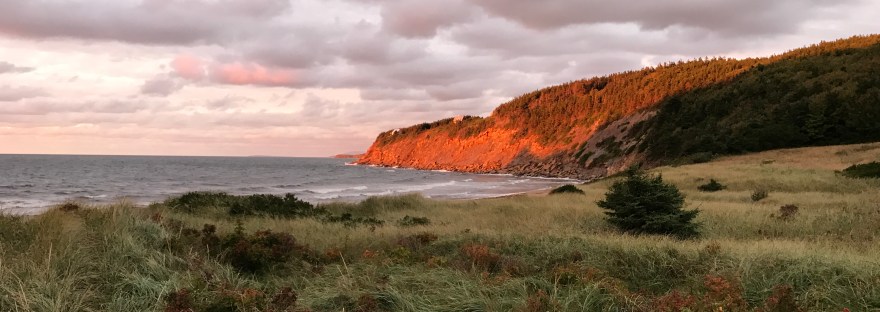
After a few days in mainland Nova Scotia I ventured on: first north to the scenic Cape Breton Island, then back to the main peninsula to see some stuff I had missed!
Some highlights:
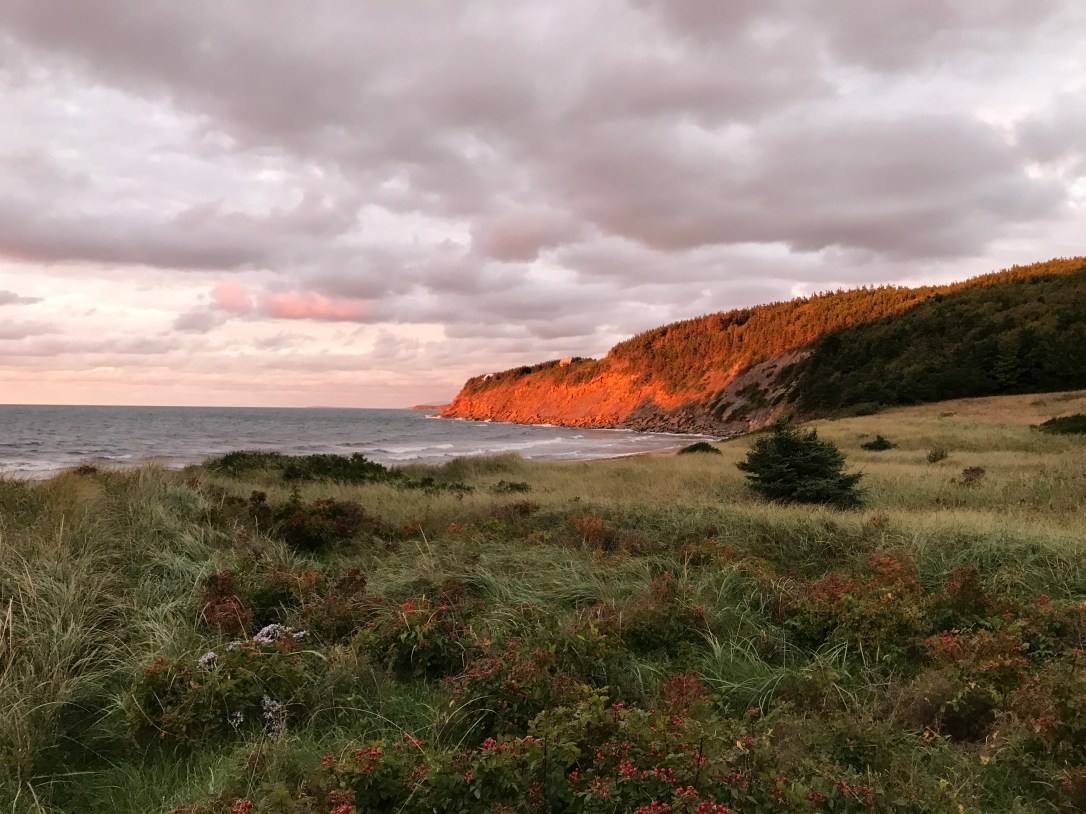
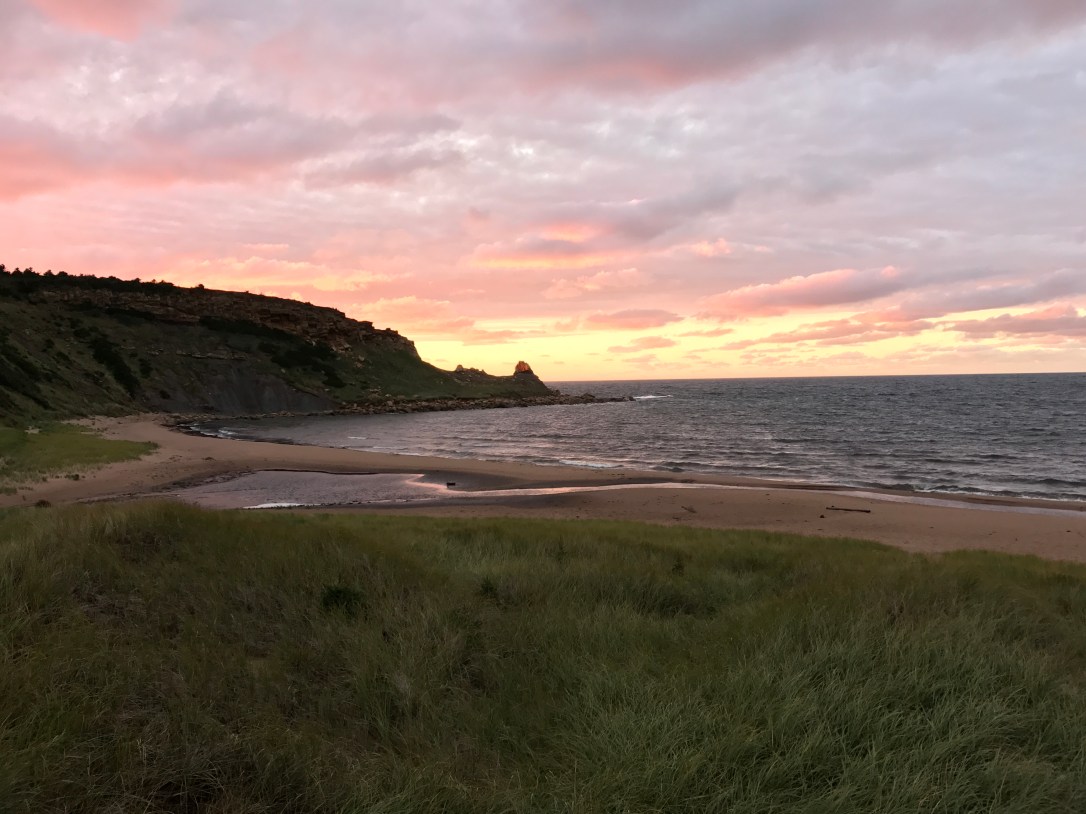
- Best sunset
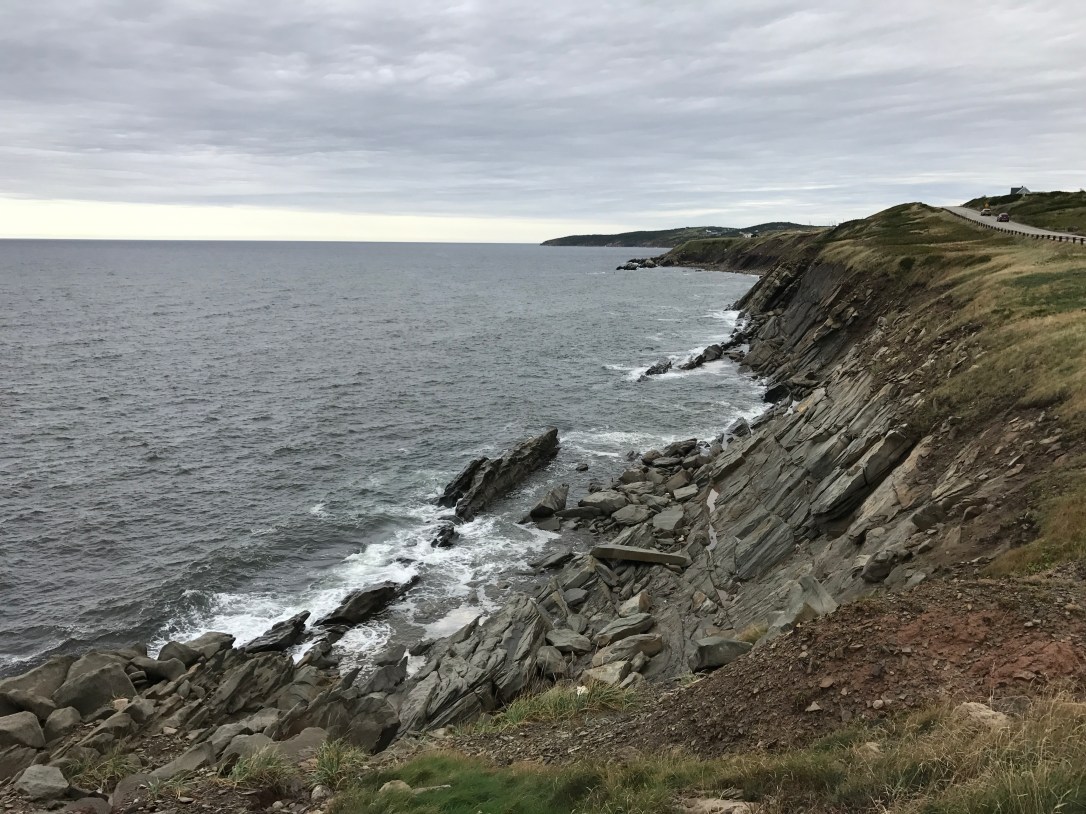
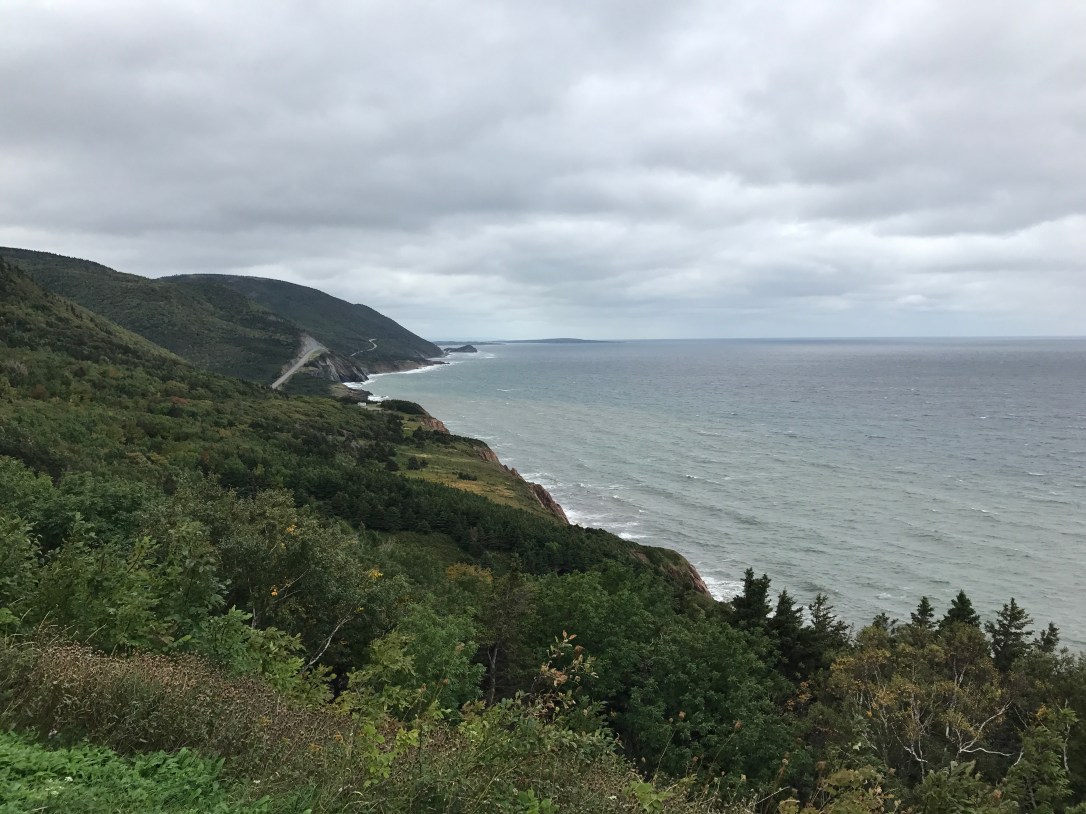
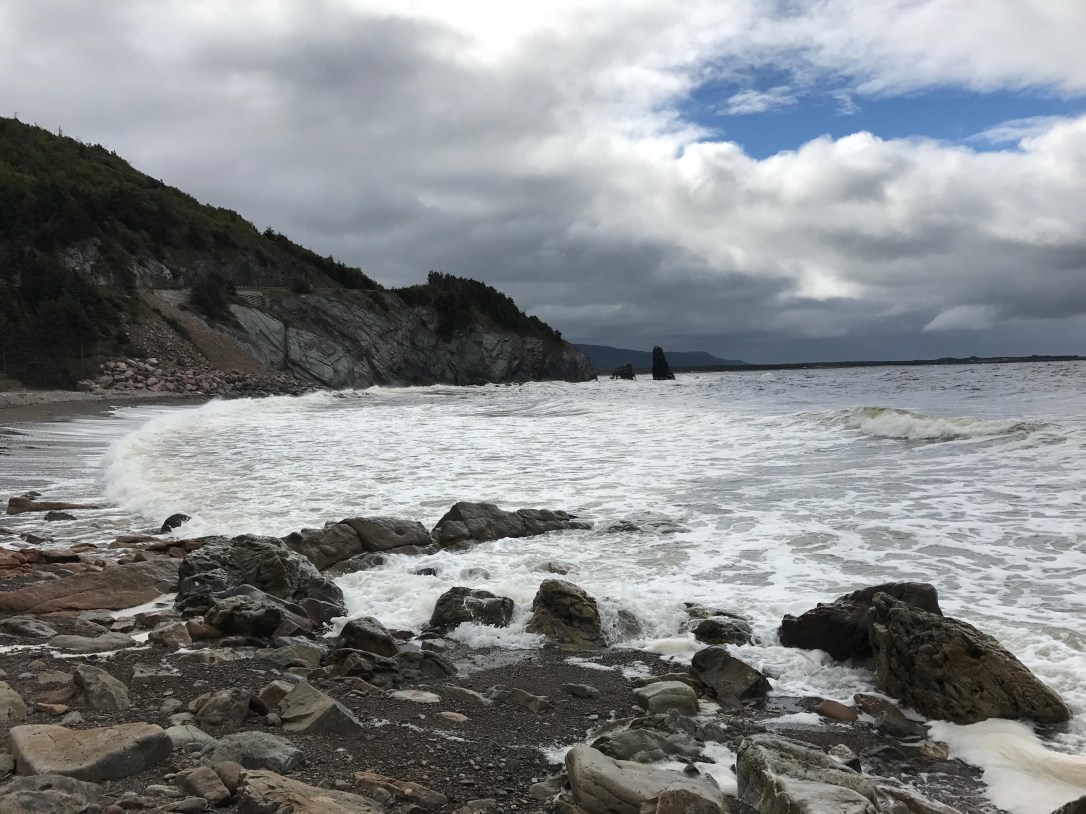
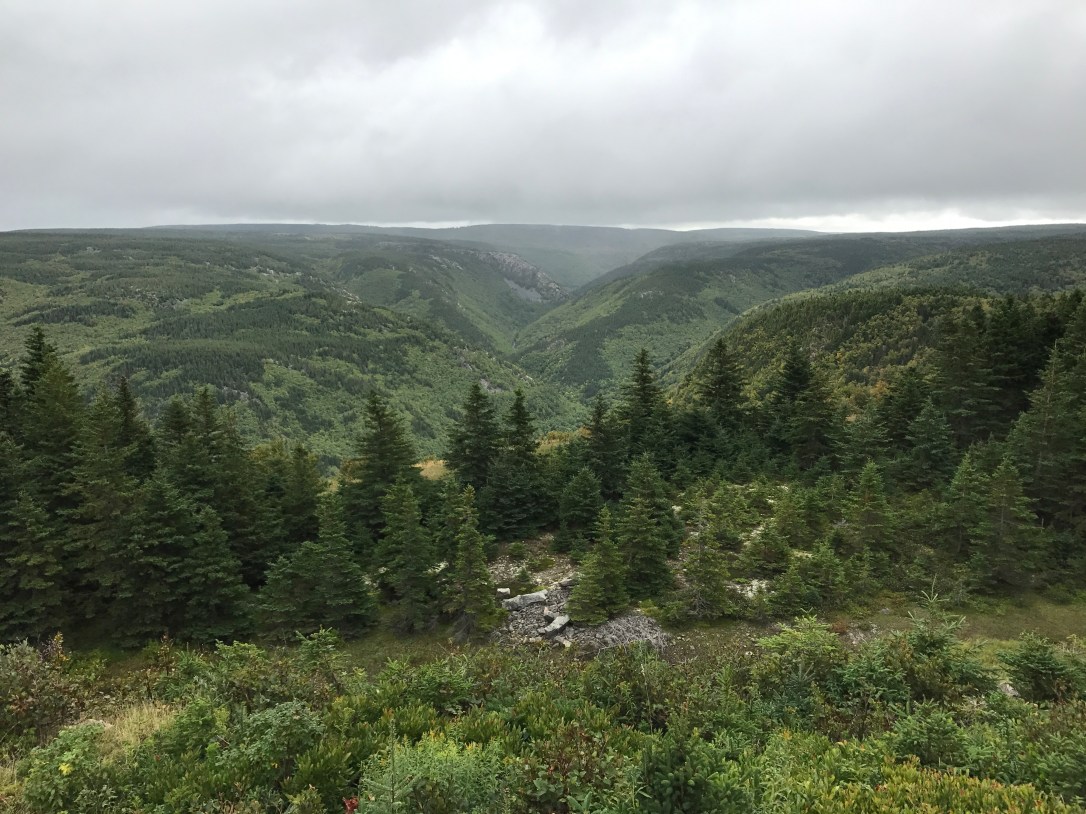
- Amazing coastal views
- Best lobster fries (The Rusty Anchor)
Cape Breton Island
Cape Breton is a large island off the northeastern tip of Nova Scotia. The island is essentially one giant park, and the relaxed vacation home vibe reminded me a bit of Maine!
I spent most of my time driving around the Cabot Trail (named after John Cabot who reached Canada in 1497 – more on him later), a road that loops around the island. The Trail has many scenic stops designated by road signs (a picture of a camera, unsurprisingly) indicating nice photo ops. Thanks Canada, very helpful!
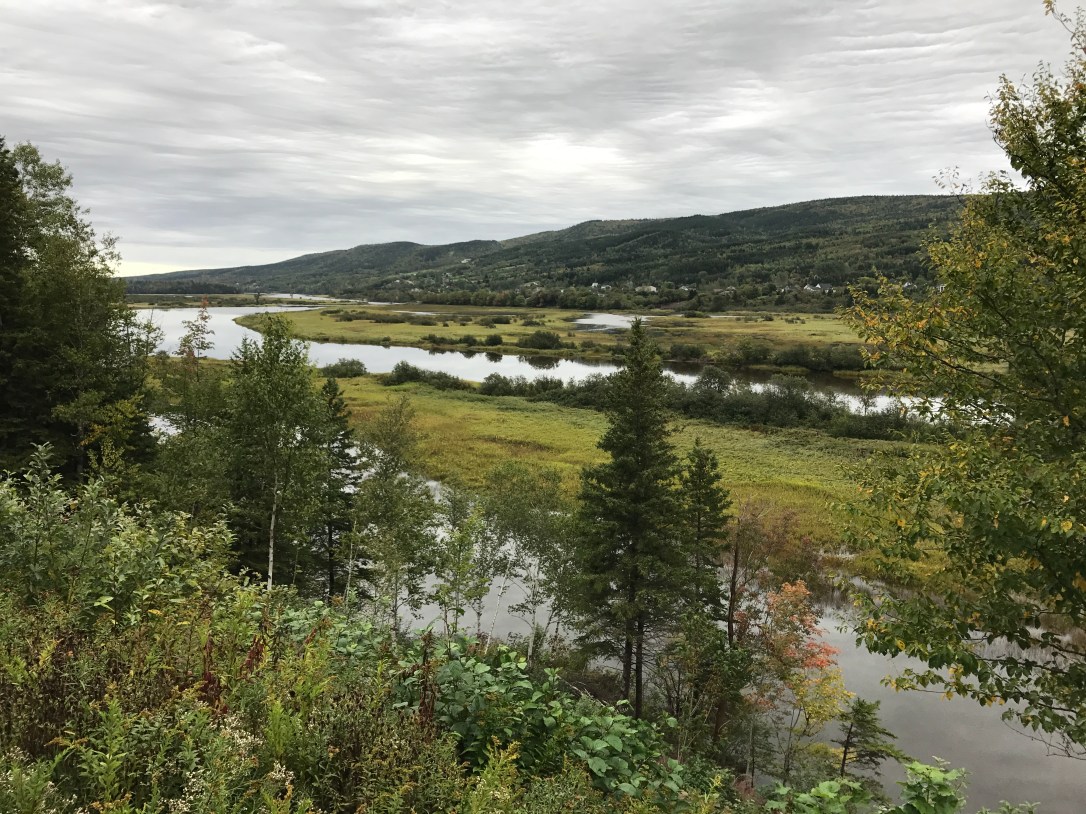
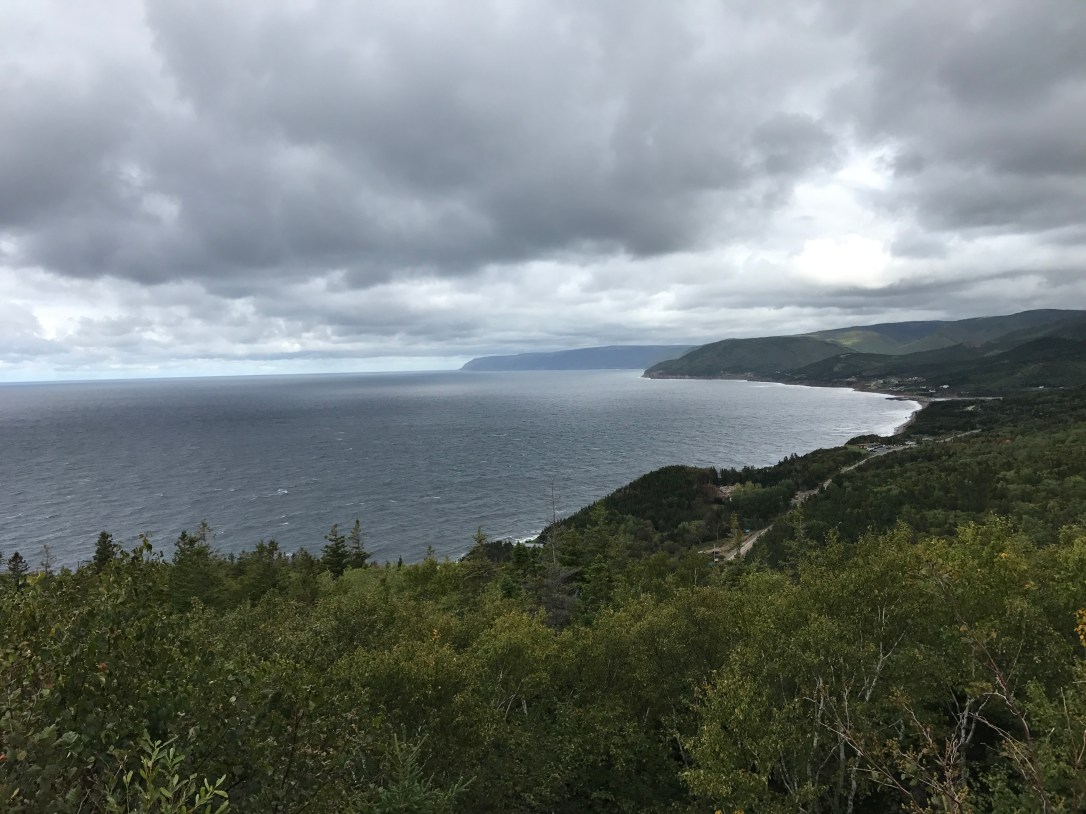
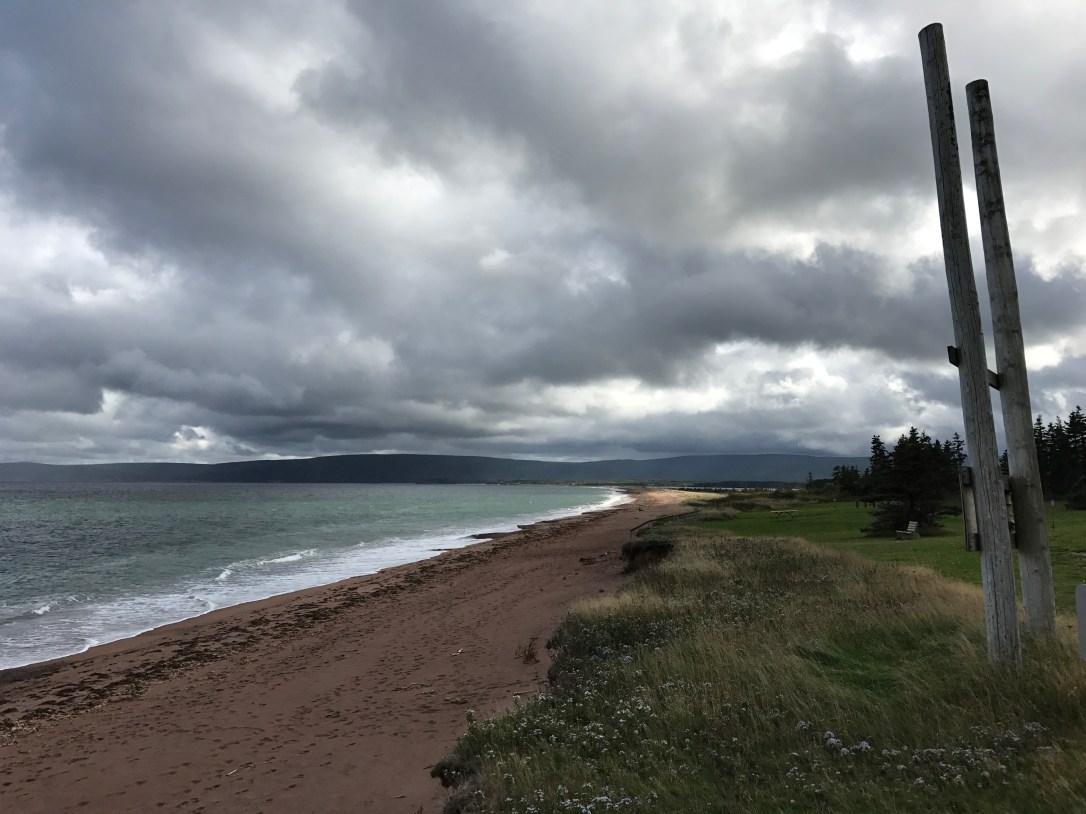
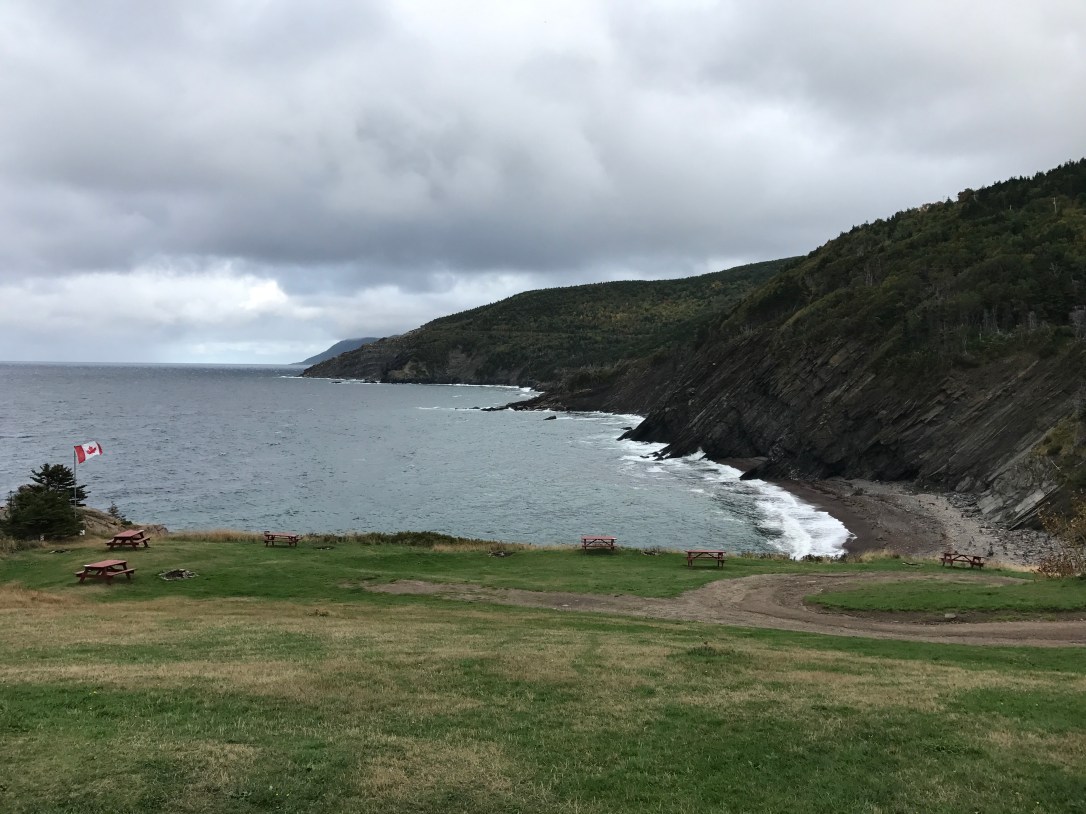
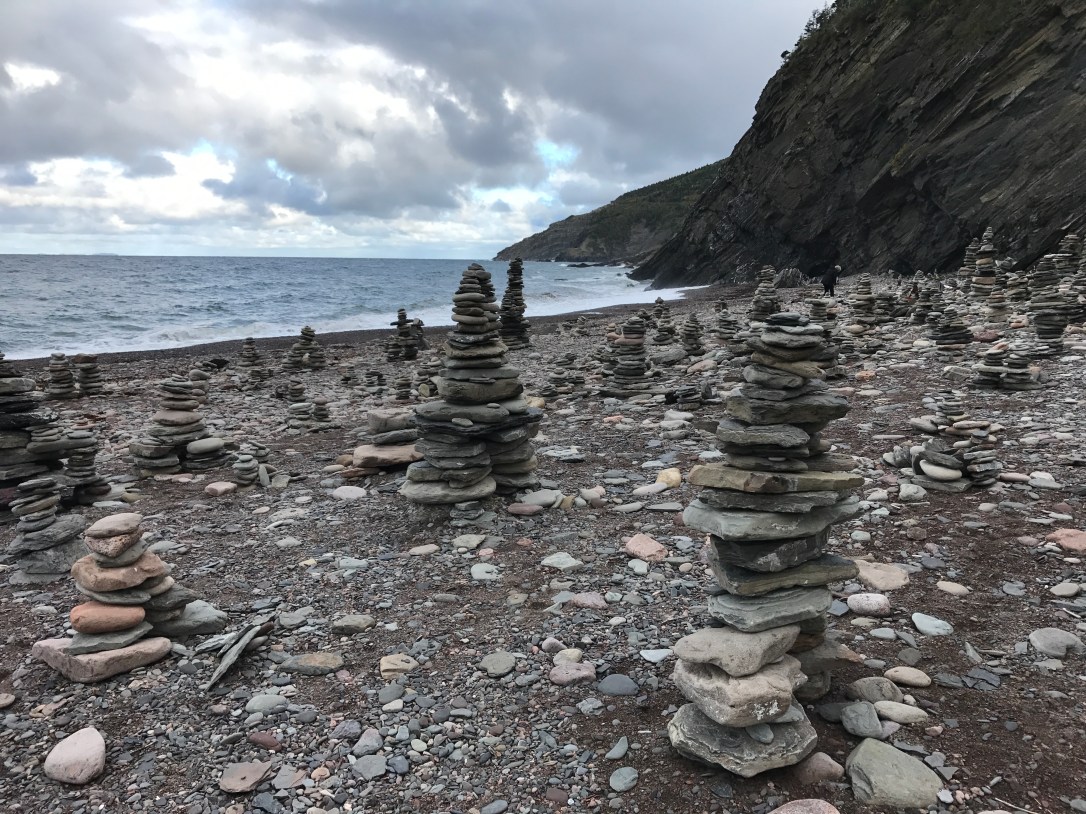
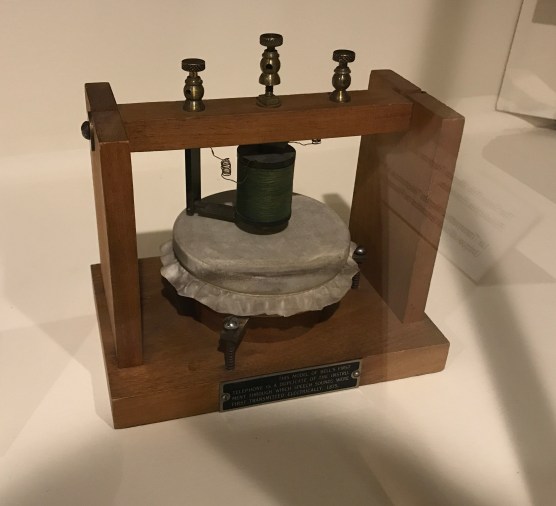
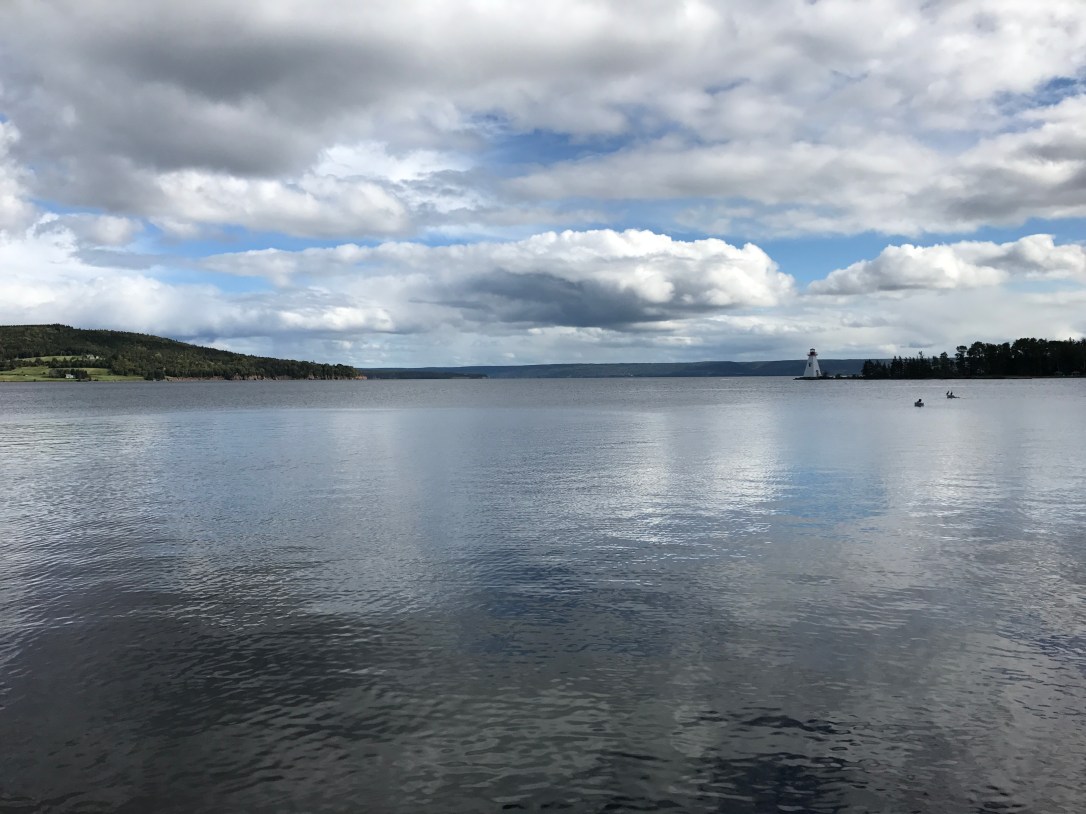
After driving around the Cabot Trail I headed to central Cape Breton to see Bras d’Or Lake and the Alexander Graham Bell museum. Though Bell was originally from Scotland, he fell in love with Nova Scotia during a vacation and eventually built a residence near Baddeck; towards the end of his life he split his time between there and Washington, DC.
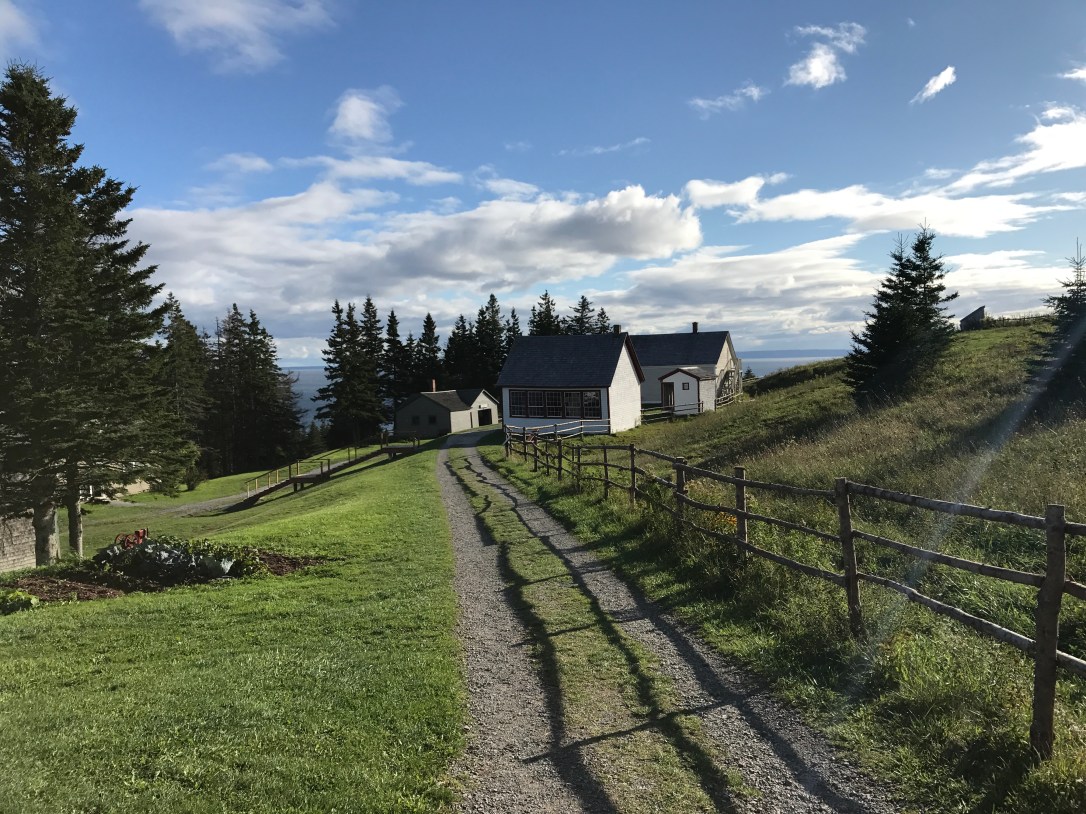
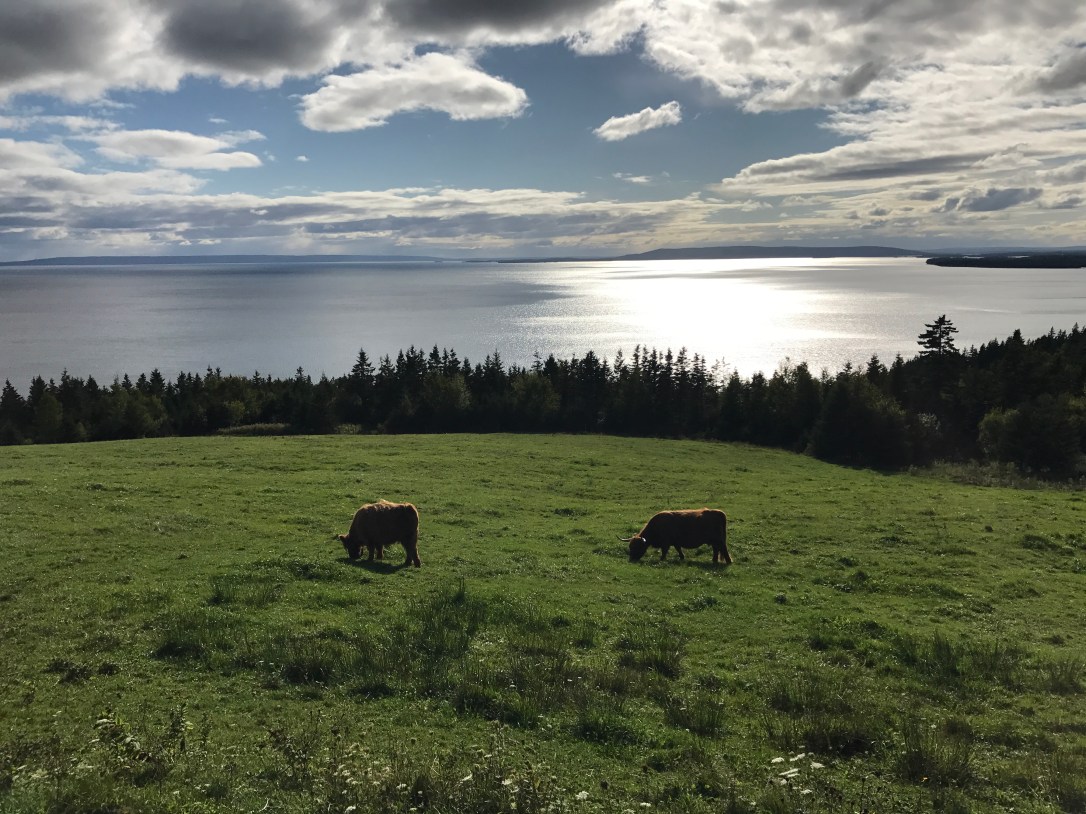
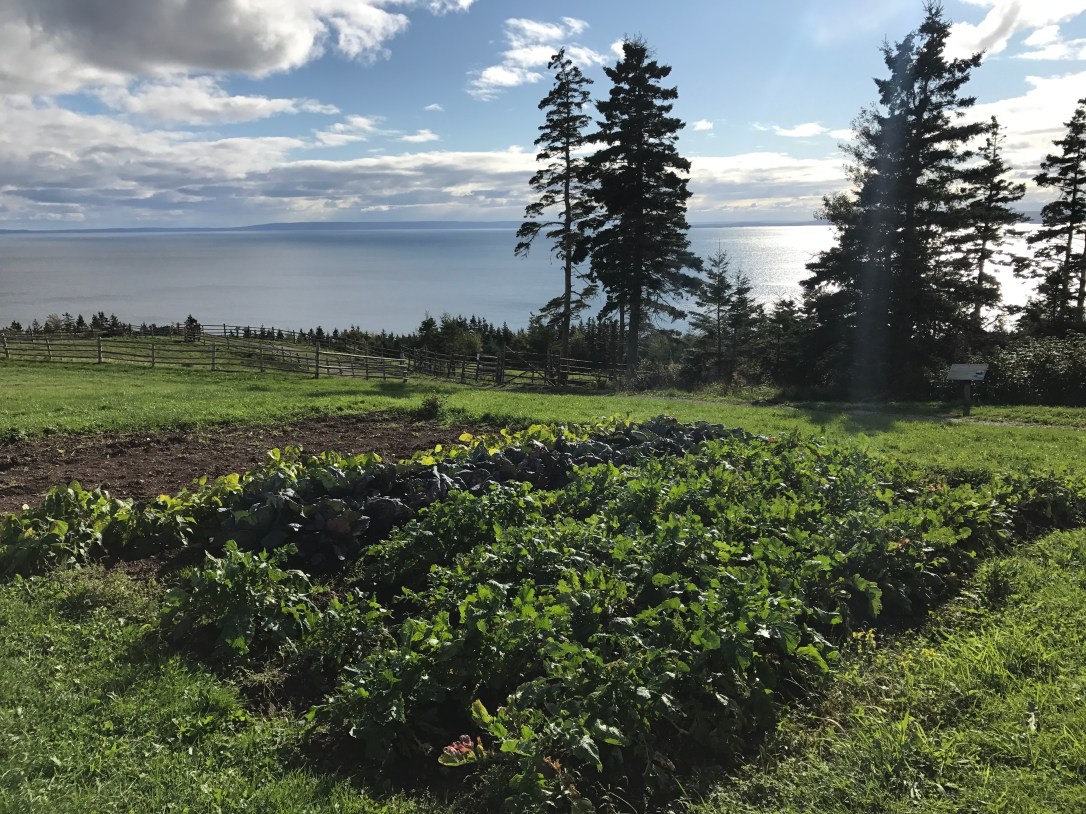
In that area I also visited the Highland Village Museum, which describes the story of Gaelic speaking Scots that emigrated from Scotland in the 1700s and 1800s. The village is comprised of buildings corresponding to different time periods: before departure from Scotland, first arrival in Nova Scotia, etc. There are also costumed animators in character and farm animals all around! A truly immersive experience.
Mainland Nova Scotia, round 2
After Cape Breton I needed to come back to the main peninsula to proceed with the rest of my trip. Since I was already there, I figured I might as well visit a few places I didn’t get to see the first time around.
Mahone Bay
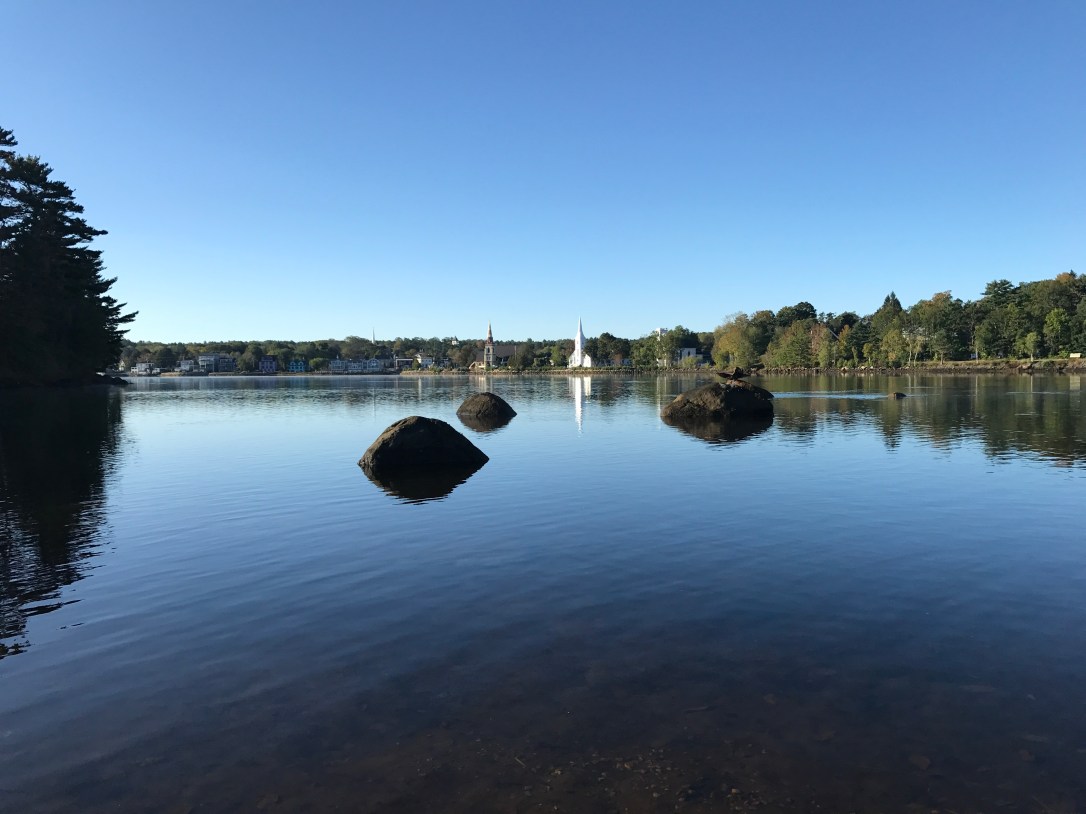
Mahone Bay is a small coastal town south of Halifax (population ~1000) with a few upscale shops and restaurants, and some nice views!
I was lucky to be visiting during the annual Scarecrow and Antique Fair, which was a real treat (no tricks). The fair featured over 200 creatively-dressed life-size scarecrows all around the town, many of them in front of local businesses and quite topical. The scarecrows were hilarious, adorable, and not scary, and there were some real gems like this bed and breakfast duo.

- King of the grill: “It’s not burnt until I say so!”
Lunenburg
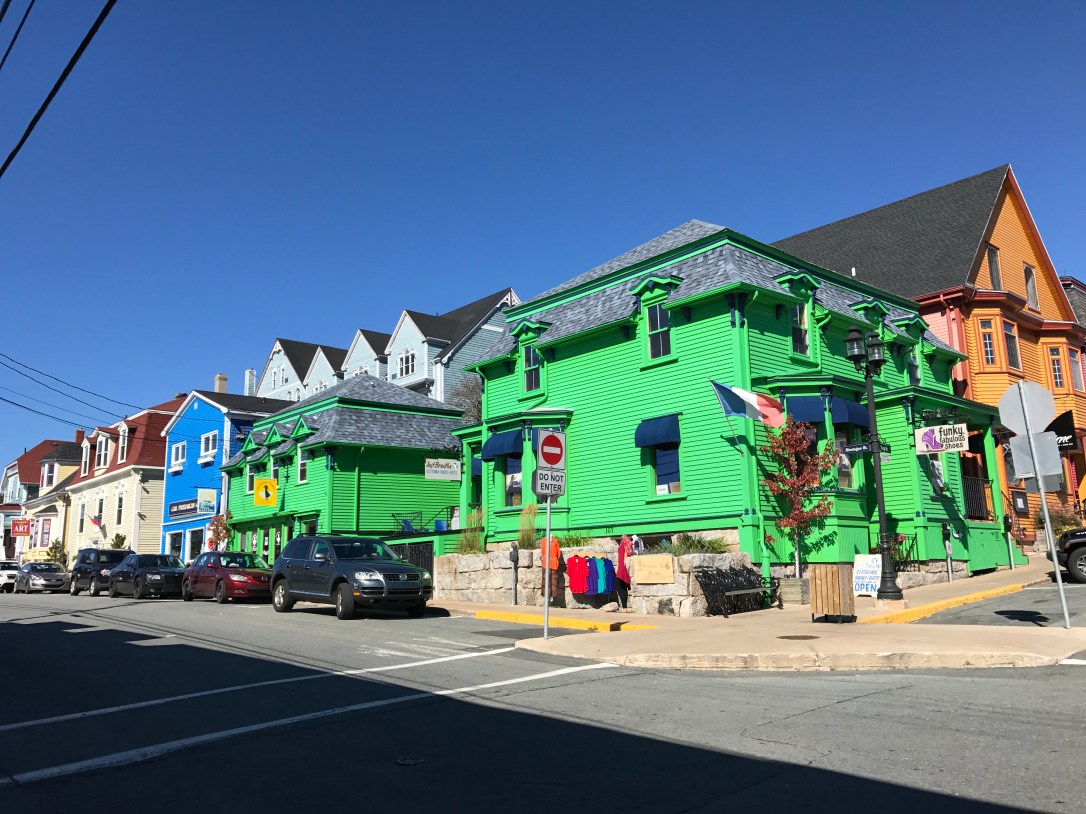
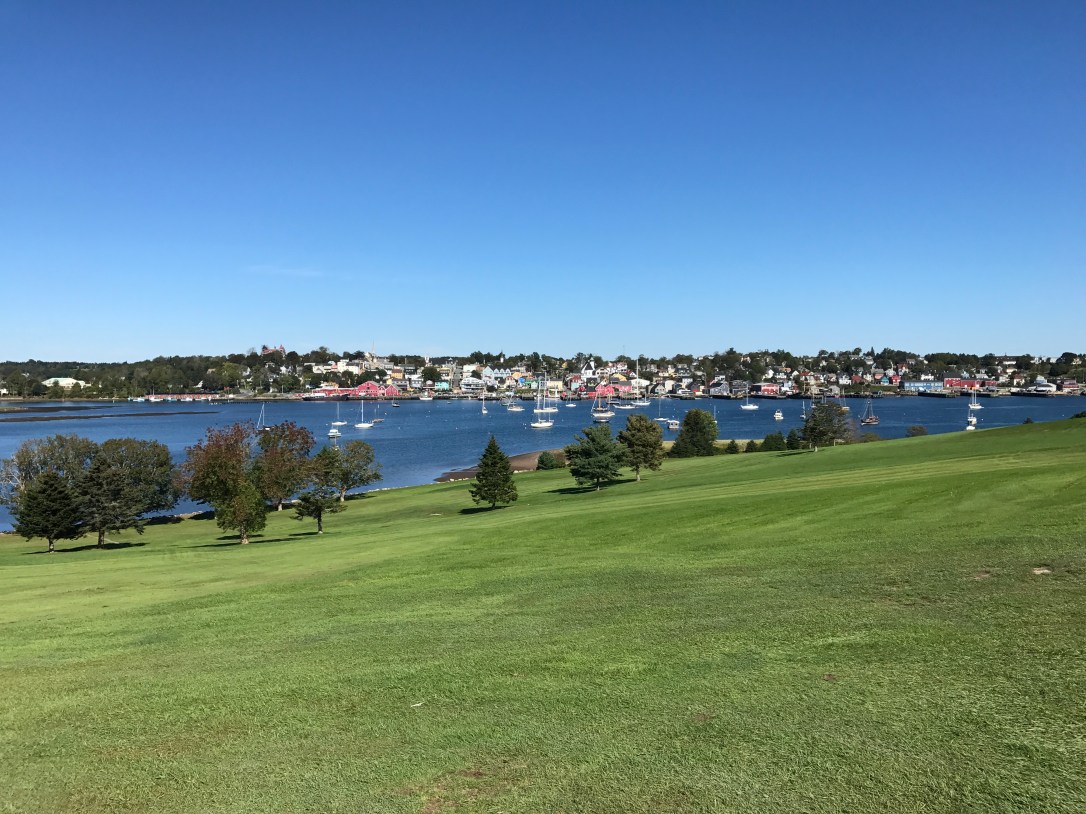
My next stop was the picturesque port town of Lunenburg, a popular tourist destination. Because of its unique architecture Lunenburg is also designated as a UNESCO World Heritage Site.
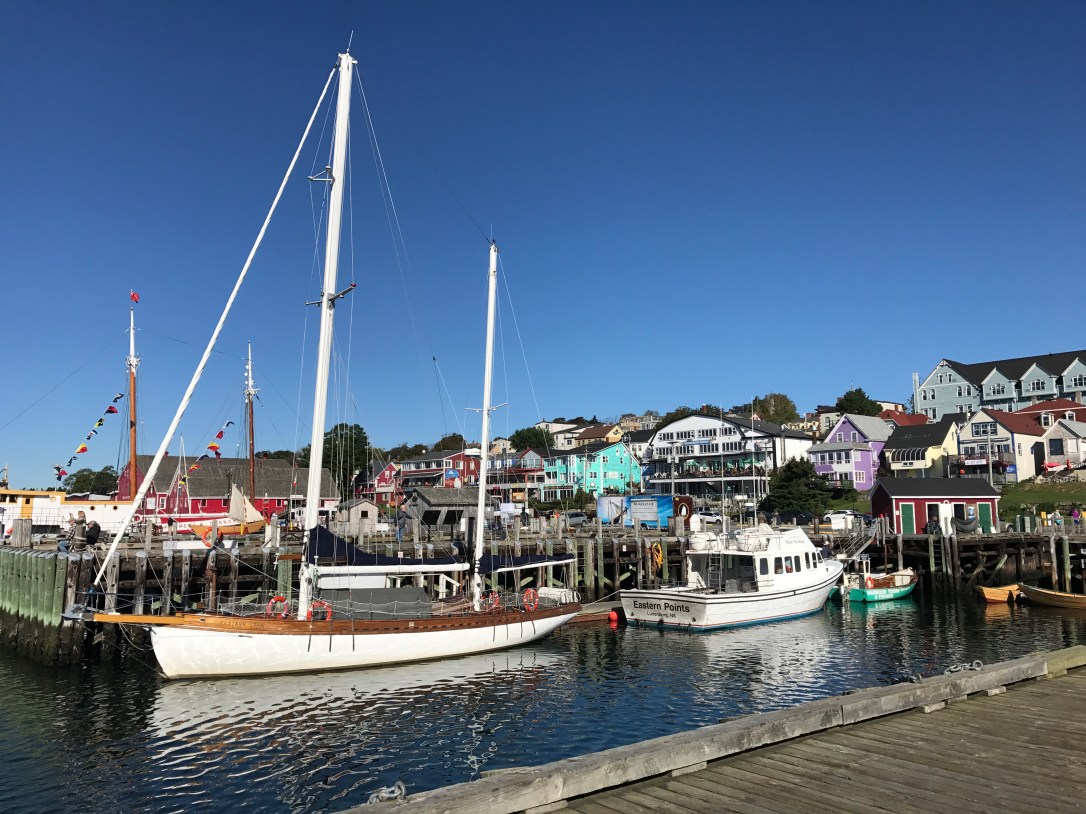
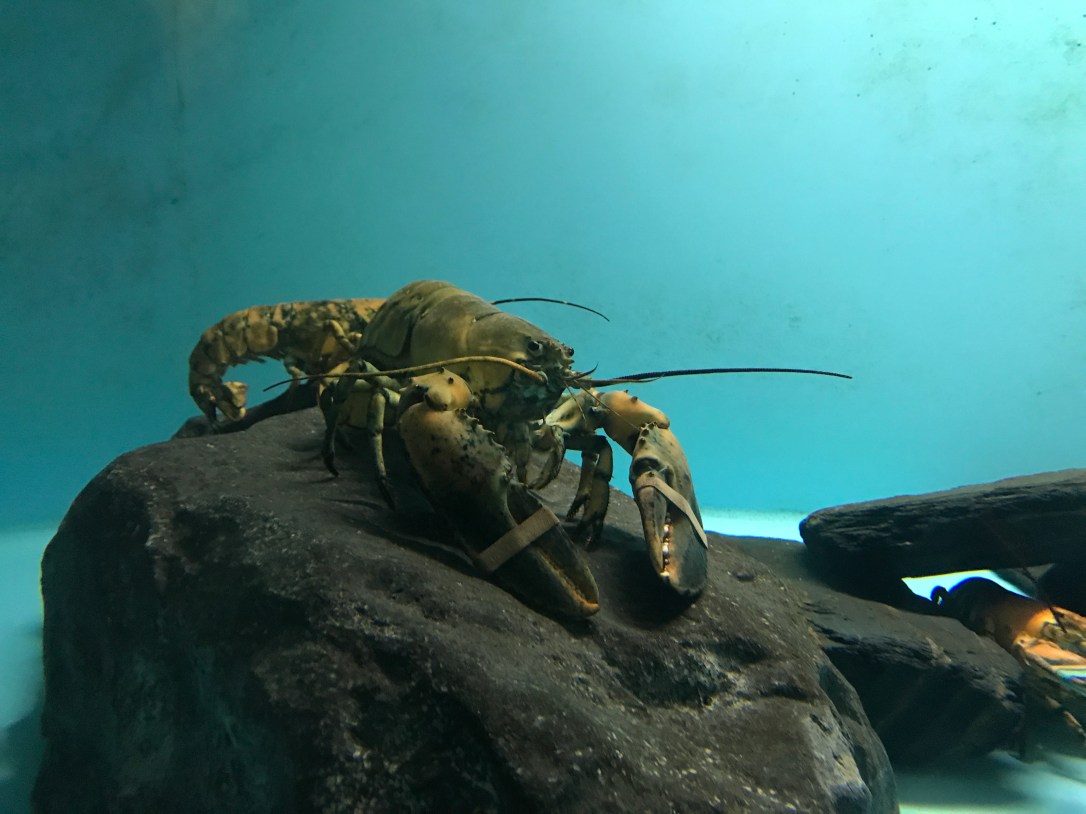
After walking around the waterfront area I checked out to the Fisheries Museum of the Atlantic, which commemorates the fishing history of Atlantic Canada.
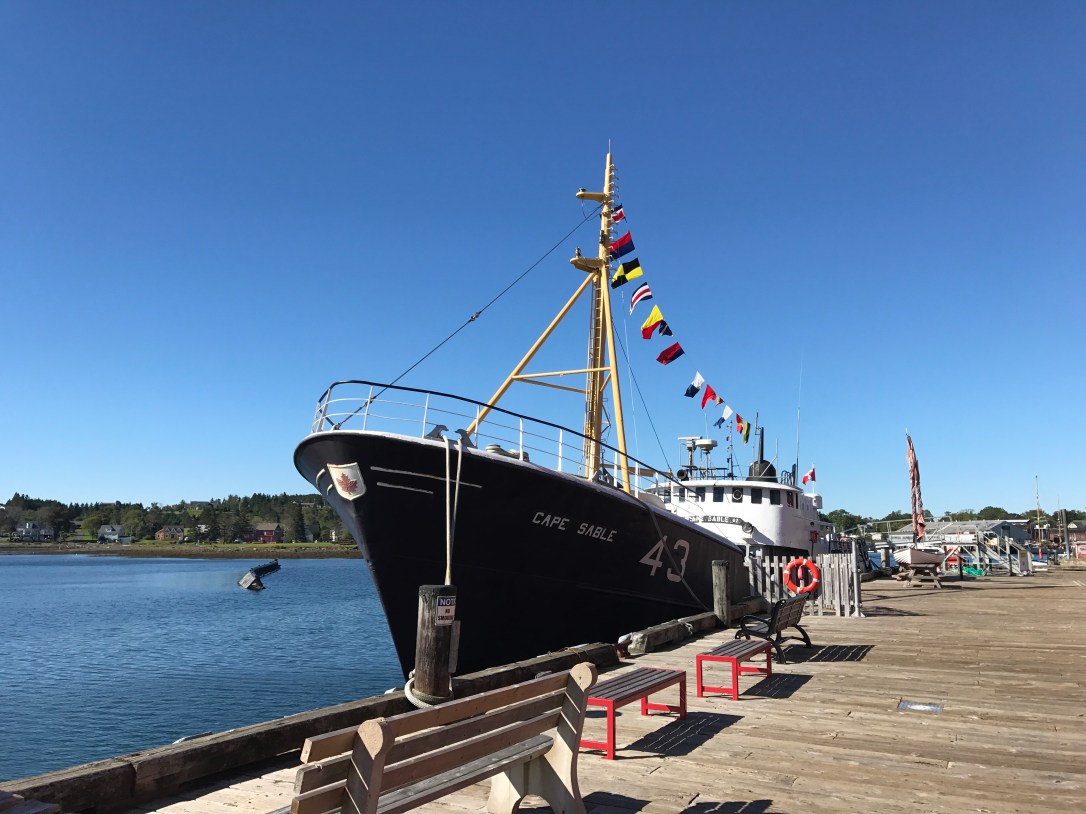
The museum also featured a decommissioned fishing boat with a retired fishing captain onboard! The captain had some great stories about his days fishing for scallops.
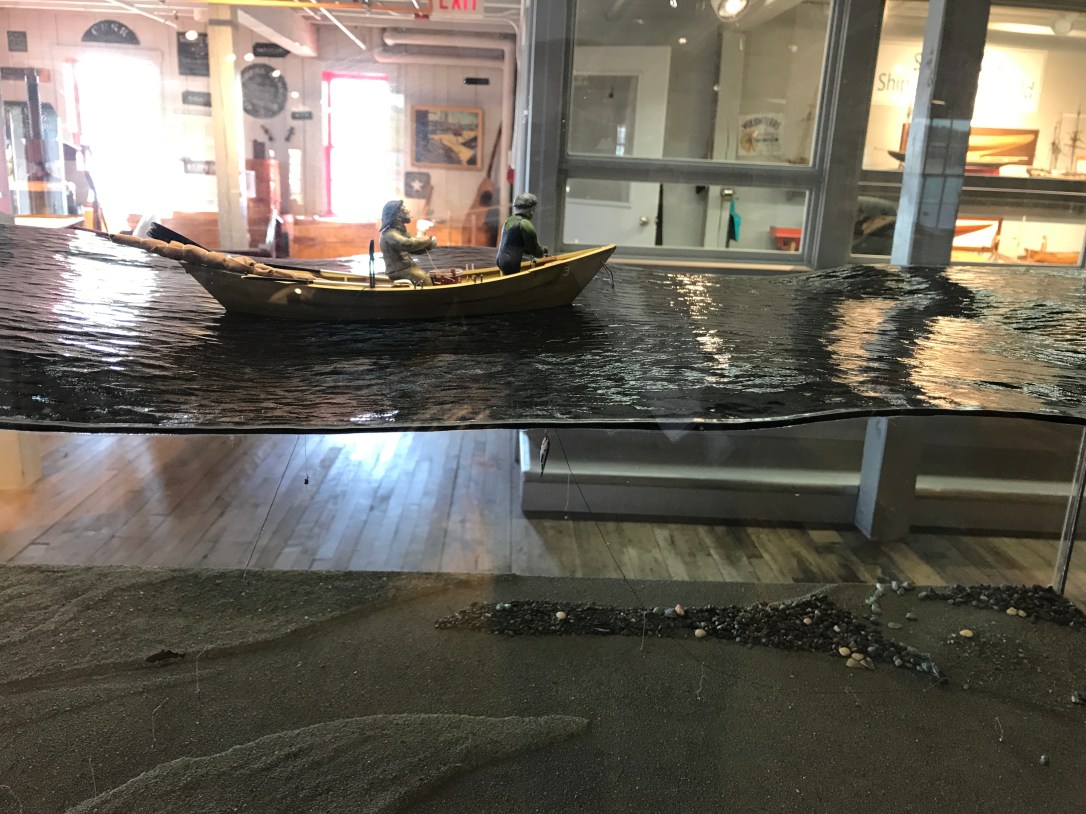
The process in his day, as he described it, involved dragging a large scoop (a fishing dredge) behind the boat on the ocean floor in a scallop-rich area. After collecting whatever the ocean floor had to offer (some rocks and hopefully some scallops) the scoop was emptied out into the boat and the crew manually picked out the scallops. The scoop would then go back into the ocean and the whole process would repeat many times a day. The boat would go out into the sea for around 10 days, then the crew would come back to land for a few days of rest, and the cycle would repeat again. The captain lived in this rhythm during his whole fishing career, for over 25 years. What a fascinating story!
Related to the plight of fishermen, the museum also talks about alcohol smuggling during the Prohibition. Nova Scotia repealed prohibition in 1930, 3 years before its repeal in the US. Alcohol smuggling to the US (in particular Boston) thus became a lucrative, albeit dangerous, business opportunity. These alcohol smugglers, many of them fishermen looking for additional income, were called rum runners.
Kejimkujik National Park
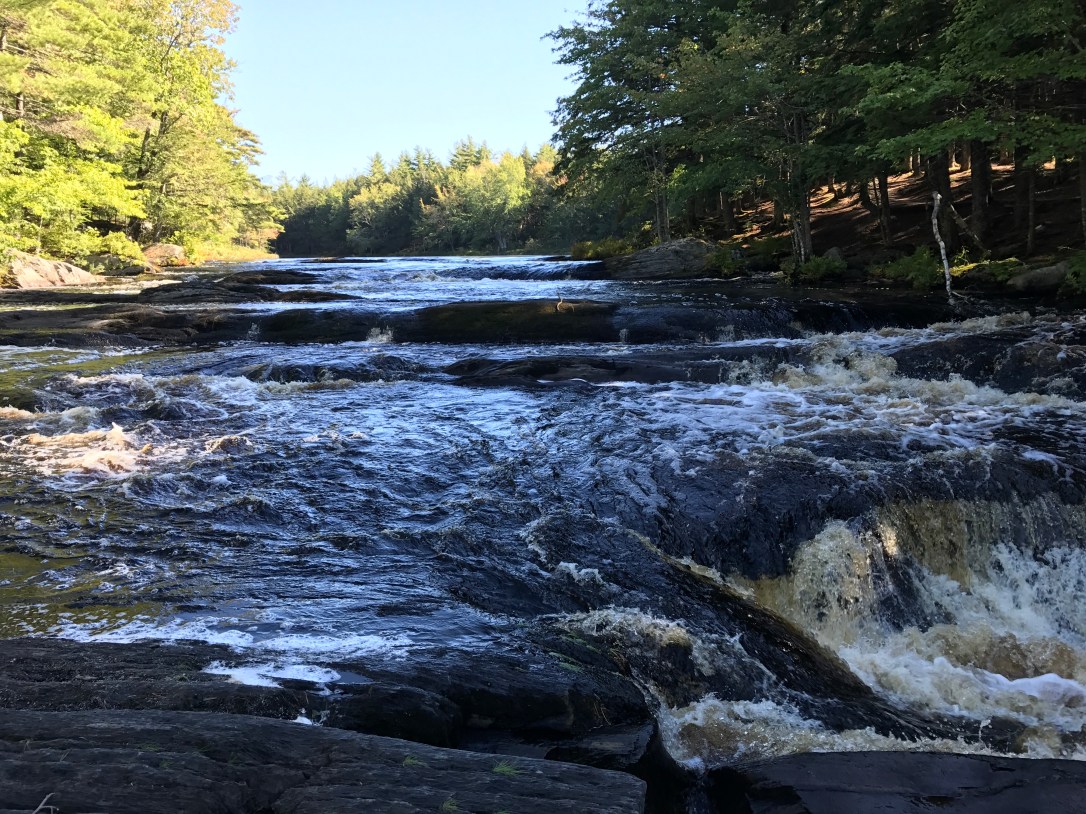
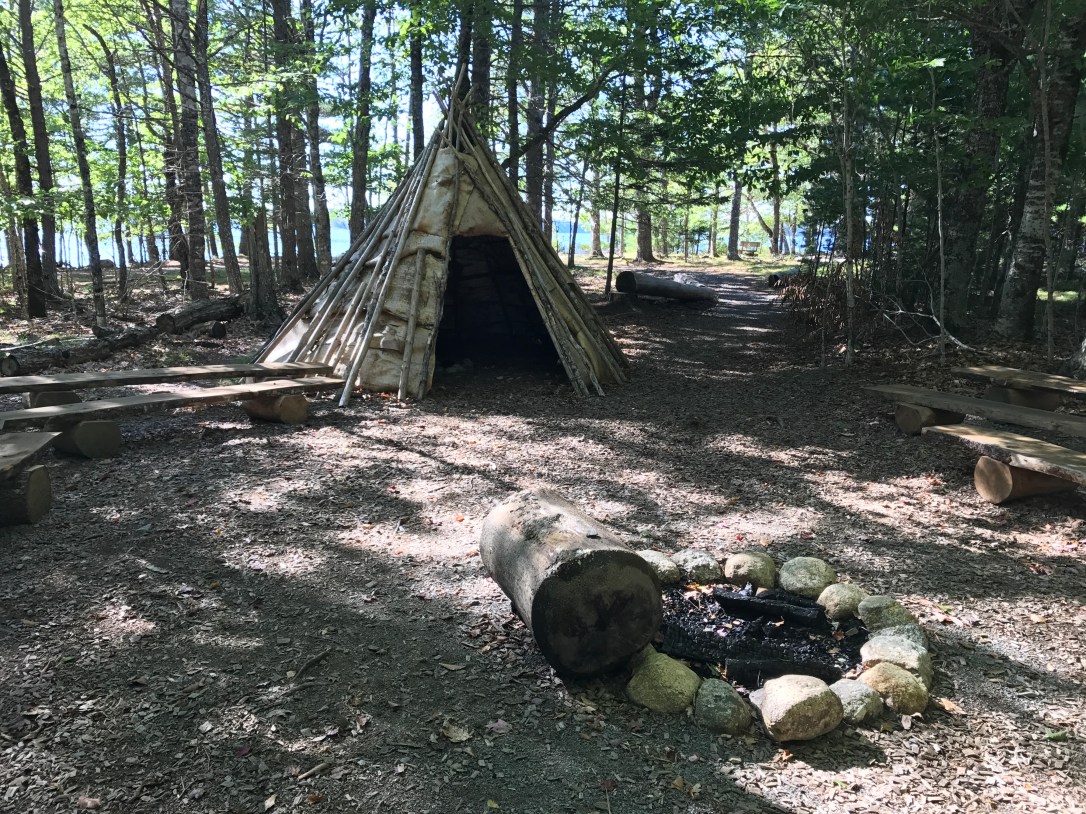
After Lunenburg I headed to the northern coast of Nova Scotia to see some historical sites. On the way I briefly stopped at the beautiful Kejimkujik National Park, colloquially known as Keji Park.
Port-Royal National Historic Site
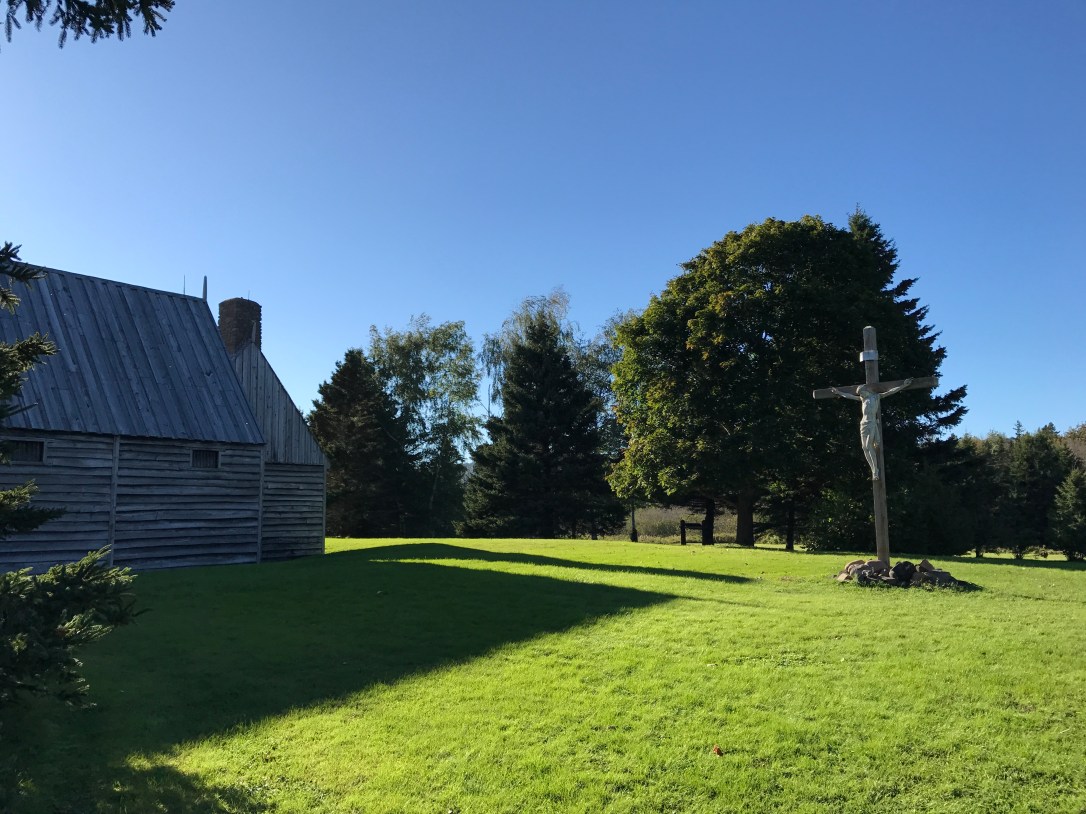
Next I headed to Port-Royal, France’s first settlement in North America established in 1605. The fort survived only until 1613 when it was destroyed by British forces. This prompted France to relocate it by a few kilometers; the original settlement here was reconstructed in 1939.
Fort Anne National Historic Site
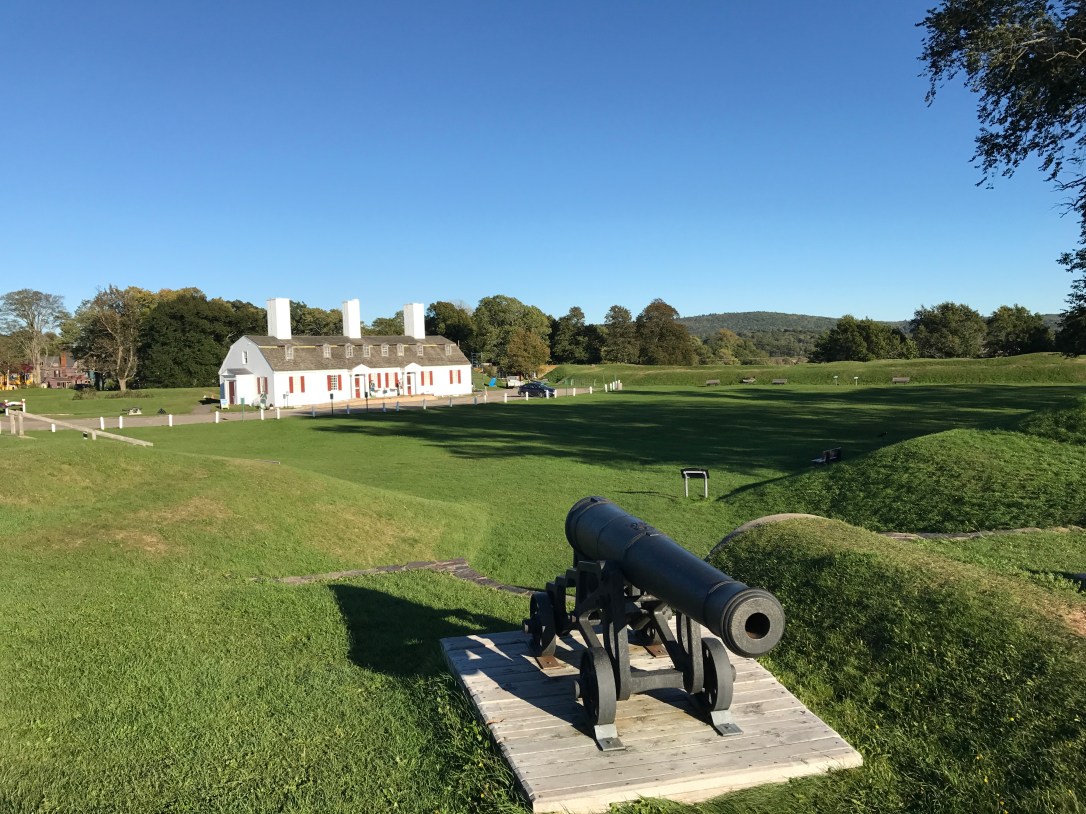
Next I drove to Fort Anne, first built by the Scots in 1629, then taken over by the French, and then taken over and rebuilt by the British.
Grand-Pré National Historic Site
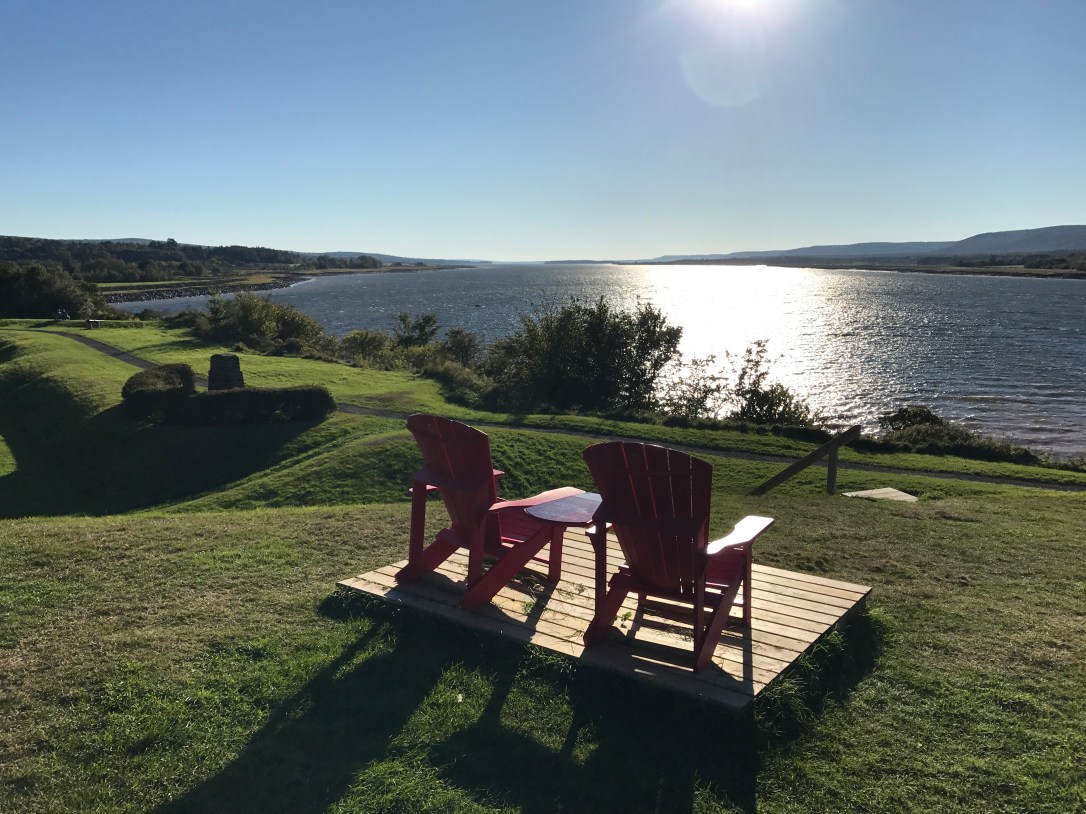
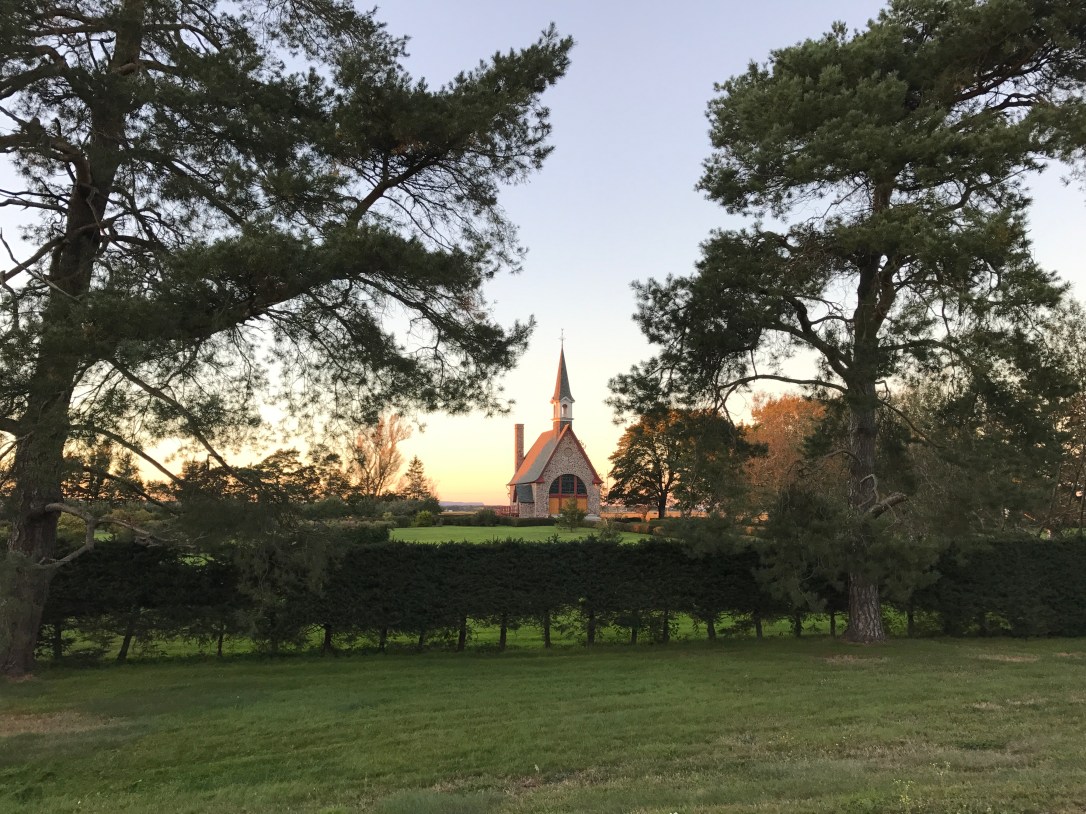
Grand-Pré, founded in 1680, is commemorated as the center of Acadian settlement in the region. Acadians are the descendants of French colonists who settled Acadia, a French colony located in present-day Atlantic Canada as well as parts of quebec and Maine, in the 17th and 18th centuries.
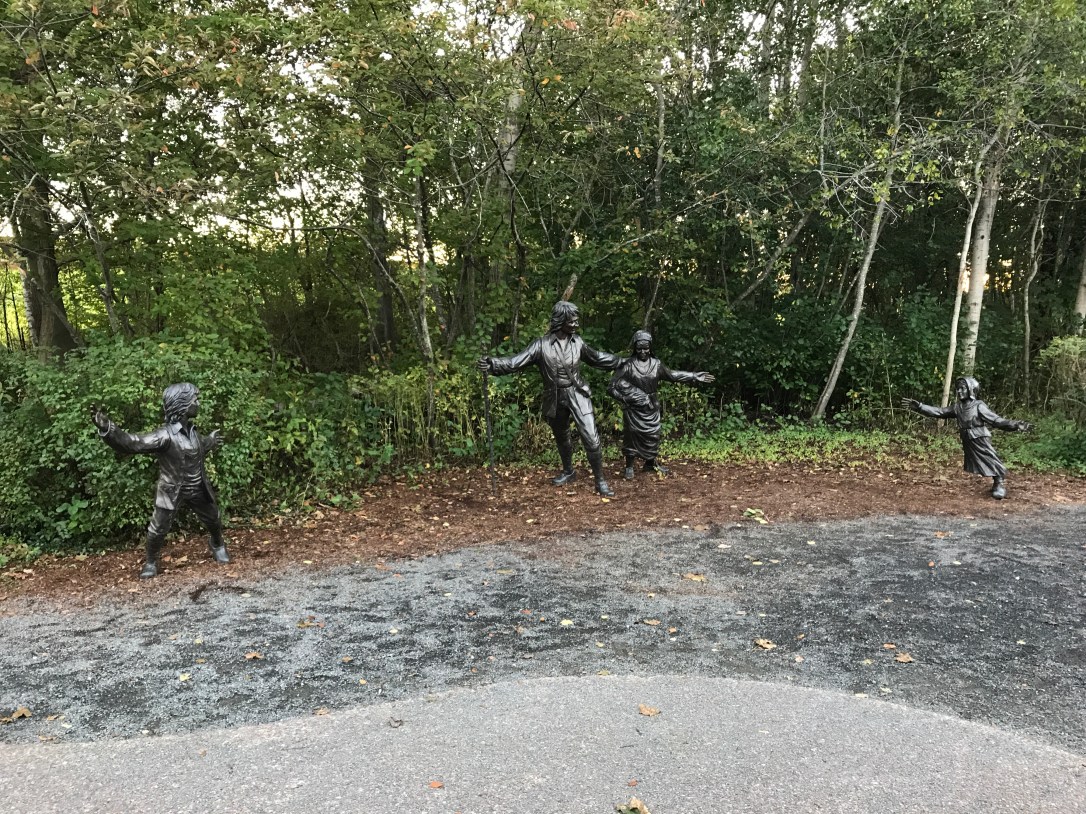
In 1755, during the French and Indian War, the British expelled from their homes over 11,000 local Acadians (3/4 of all Acadians in Nova Scotia), confiscated their property, and deported them throughout the British Atlantic colonies from New England to Georgia. After 1758 many were also deported to France. This is known as the Great Expulsion.
Some of the Acadians expelled from Acadia made their way into Louisiana and eventually joined with a new wave coming from France; this created the Cajun population and culture.
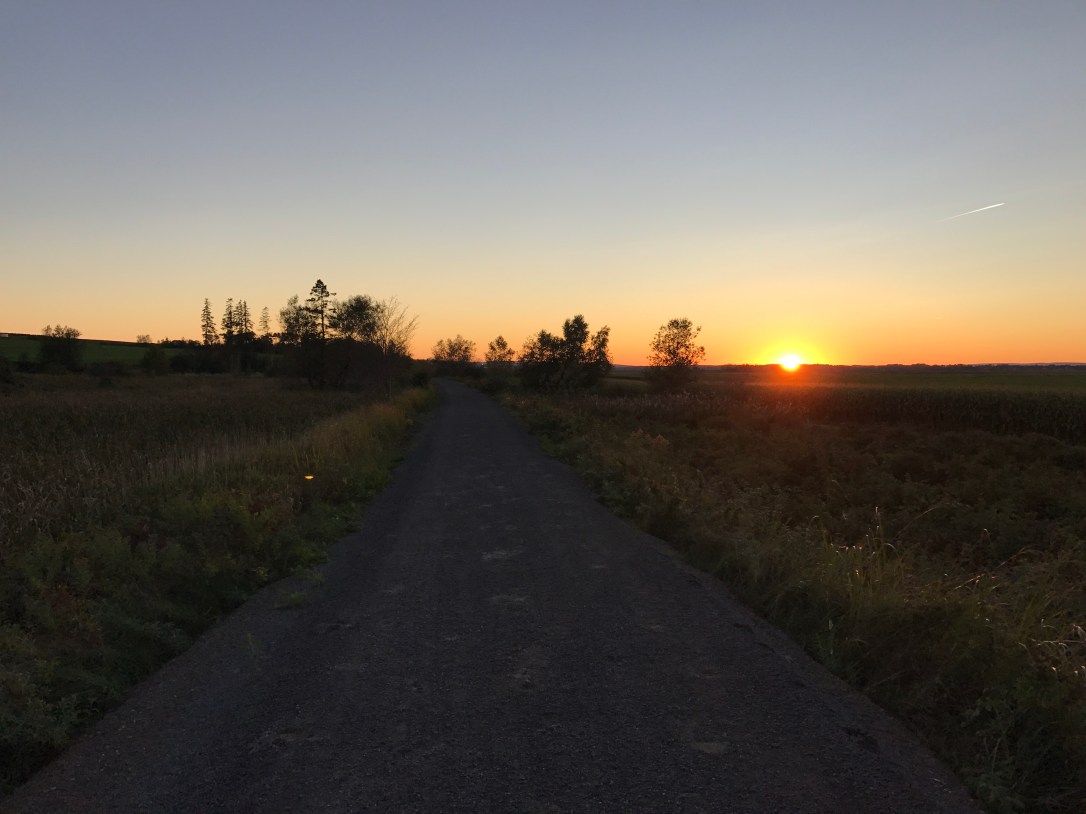
This wraps up my time in Nova Scotia. I had an amazing week driving around the open roads and admiring the beautiful landscape, and I highly recommend a visit if you get the chance 🙂
Next stop, New Brunswick!

 Mikhail's Travel Adventures